2026 Industrial Wage Outlook: What CDL Drivers, Welders, and Operators Are Earning
A snapshot of current wage ranges across CDL transportation, skilled trades, and heavy equipment operation — plus the factors that move pay up or down inside those ranges.
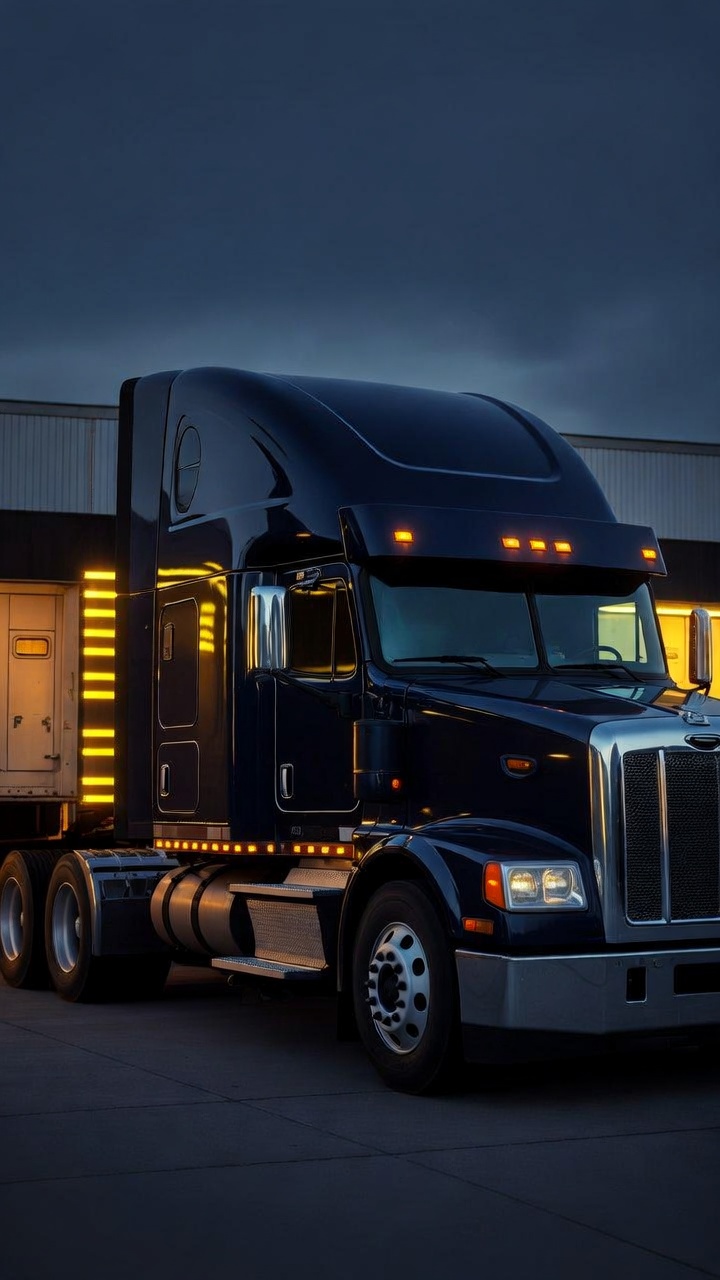
Industrial wages have moved significantly over the last 36 months, and most reference data lags 12 to 18 months behind reality. Here is a current-as-of-2026 snapshot of what FORCE is seeing on active placements across three of the largest industrial worker categories.
These ranges reflect pay only — not benefits, per diem, sign-on bonuses, or overtime, all of which can shift total compensation substantially.
CDL-A Over-the-Road Drivers
Mileage-based pay for experienced OTR drivers currently ranges from $0.55 to $0.68 per mile. Solo drivers running standard 2,500–3,000 mile weeks land in a $72,000 to $95,000 annual range before bonuses. Team drivers and specialized hazmat or oversized loads push higher.
The biggest variables are tenure, endorsements, and equipment age. A clean MVR with 5+ years of experience plus hazmat and tanker endorsements can add $0.04 to $0.08 per mile over the base rate. Driving for fleets with newer trucks tends to pay slightly less but offers better working conditions — a tradeoff many experienced drivers actively choose.
CDL-A Local and Regional Drivers
Hourly rates run $24 to $32 per hour for regional and local drivers, with the higher end going to dedicated lanes, food service, and oilfield support work. Local drivers home daily generally trade some mileage pay for predictability.
Welders (Pipe and Structural)
Certified pipe welders working refinery turnarounds and petrochemical projects are seeing $32 to $42 per hour straight-time, often with per diem of $100–$150 per day on traveling jobs. The premium end of that range goes to welders with TIG certification on stainless and exotic alloys, plus a clean drug screen and current TWIC credentials.
Structural welders on shop or fabrication work tend to land $26 to $34 per hour. Travel-ready combo welders willing to mobilize for shutdowns can earn substantially more on a per-job basis but trade stability for the higher rate.
Heavy Equipment Operators
Open-pit mining operators run $28 to $36 per hour for haul trucks, dozers, and loaders. Underground operators and specialized equipment (drills, longwall systems) push into the $35 to $44 per hour range.
Construction and earthmoving operators tend to fall slightly below mining rates, in the $24 to $32 per hour range for excavators and motor graders, with crane operators (especially mobile and tower) earning $32 to $48 per hour depending on certification level and union status.
Industrial Maintenance and Millwrights
Industrial millwrights working plant installations and shutdown projects are running $32 to $40 per hour, with traveling crews adding per diem. Plant-based maintenance technicians with PLC and instrumentation experience are seeing $34 to $44 per hour, with the highest rates going to candidates who can troubleshoot both mechanical and controls issues.
What Moves Pay Inside These Ranges
Three factors consistently push compensation up: current credentials and certifications, willingness to travel or relocate, and demonstrated tenure (the longer the same role on a resume, the higher the offer tends to be). Three factors consistently push it down: gaps in employment, lapsed certifications, and rigid geographic constraints in regions with limited demand.
The numbers in this guide are directional. Specific markets, employers, and project types create real variance. A FORCE recruiter can talk through what your specific background commands in today's market.